
Artificial Intelligence is no longer a futuristic add-on—it’s now a core part of modern graphic design. From generating concepts in seconds to automating repetitive tasks, How AI Is Transforming Graphic Design reshaping how designers think, create, and deliver visual experiences.
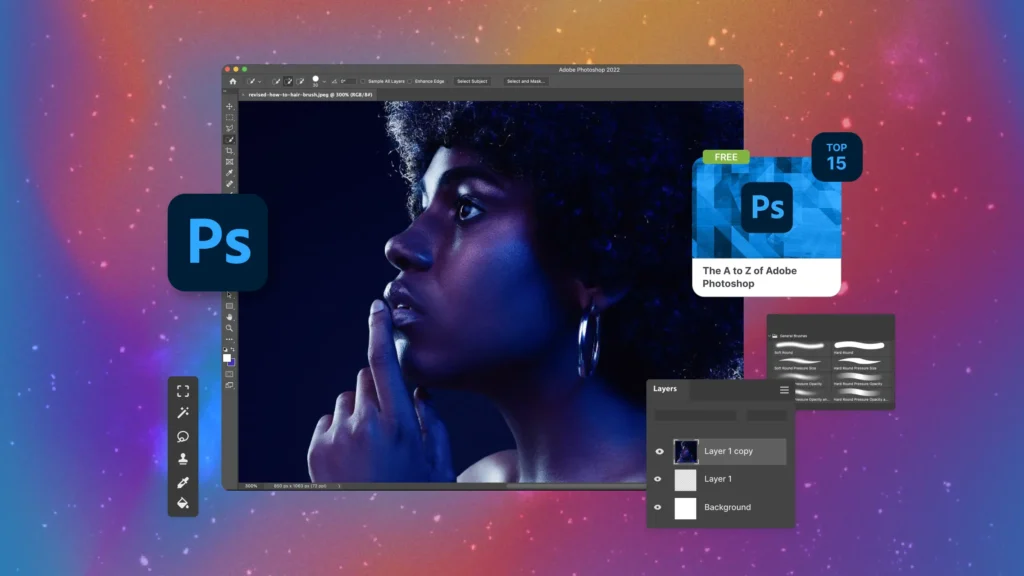
This guide explores how AI is transforming the design industry, the tools leading the change, and what it means for designers moving forward.
What Is AI in Graphic Design?
AI in graphic design refers to using machine learning, automation, and generative models to assist or accelerate the design process. Instead of replacing creativity, AI enhances it by providing:
- Faster ideation
- Smart suggestions
- Automated editing
- Data-backed design decisions
Think of AI as a creative partner—not a replacement.
1. AI Is Speeding Up the Creative Process
One of the biggest advantages of AI is its ability to turn ideas into visuals instantly.
How AI Is Transforming Graphic Design. Generative tools like Midjourney, DALL·E, and Adobe Firefly can:
- Create mood boards
- Generate logo variations
- Build concepts from text prompts
- Suggest color palettes
- Produce mockups
Example: Instead of sketching 20 logo concepts, designers can generate variations and refine the best ones, saving hours.
Why it matters: Designers can move faster, take on more clients, and spend more time perfecting concepts instead of starting from scratch.
2. AI Automates Repetitive & Time-Consuming Tasks
Designers often spend a lot of time on small but necessary tasks.
AI helps automate things like:
- Background removal
- Image resizing for multiple platforms
- Color correction
- Layout alignment
- File format adjustments
- Cleaning up pixel or vector imperfections
Tools such as Canva’s Magic Studio and Adobe Photoshop’s Generative Fill make this seamless.
Result: Designers get more time for creativity instead of manual labor.
3. AI Makes Design Accessible to Everyone
AI democratizes design by helping non-designers create visuals quickly.
Platforms like Canva, Figma AI, and Looka enable anyone to:
- Create social media posts
- Build logos
- Generate templates
- Edit images with one click
For professional designers, this means:
- More competition, but
- Also more clients who need pro-level customization beyond AI basics
4. How AI Is Transforming Graphic Design .AI Enhances Personalization in Design
Brands now expect personalized experiences for users. AI helps designers create content that adapts to:
- User behavior
- Demographics
- Engagement patterns
- Brand identity
Example:
AI can generate multiple ad banner variations tailored for different customer segments automatically.
This level of personalization was almost impossible manually—now it’s a few clicks.
5. AI Improves UX, UI & Web Design
In UI/UX design, AI has become a game-changer.
How AI Is Transforming Graphic Design. AI can help with:
- Creating wireframes based on simple sketches
- Predicting user interaction flows
- Auto-generating UI components
- Improving accessibility with color contrast suggestions
- Providing data-driven design recommendations
Tools like Uizard, Figma AI, and Framer AI make UI creation faster and more intuitive.
6. AI Helps Designers Become More Creative, Not Less
There’s a myth that AI “kills” creativity.
In reality, it amplifies it.
AI helps designers:
- Break creative blocks
- Explore unexpected styles
- Experiment without limits
- Visualize ideas quickly
- Learn new techniques faster
Instead of staring at a blank screen, designers can use AI as a brainstorming partner.
7. AI Creates New Roles in the Design Industry
AI is not eliminating designers—it’s changing design careers.
How AI Is Transforming Graphic Design. New and emerging roles include:
- AI Prompt Designer
- Generative Design Specialist
- Creative Technologist
- Brand + AI Integration Consultant
- AI Workflow Designer
Designers who embrace AI will be ahead of the curve.
8. Ethical & Copyright Considerations Still Matter
As AI grows, so do concerns about:
- Copyright ownership
- Ethical usage
- Dataset bias
- Style imitation
- Client transparency
Professional designers must understand how to use AI responsibly and guide clients the right way.
The Future: Will AI Replace Graphic Designers?
Short answer: No.
AI is powerful, but it lacks:
- Emotion
- Intuition
- Brand storytelling
- Strategic thinking
- Human creativity
AI will handle repetitive tasks, but designers will continue to make the strategic, emotional, and artistic decisions that define great design.
The future belongs to designers who know how to use AI as a tool, not a crutch.
Final Thoughts
AI is not the end of graphic design—it’s the beginning of a new era.
Designers who learn to use AI tools will be faster, more creative, and more competitive. AI won’t replace designers, but designers who embrace AI will replace those who don’t.